Walk into any art shop and you meet a wall of brushes that all look plausible and none of which comes with much explanation. Buy badly and you waste money, but the bigger cost is frustration: a soft watercolour mop collapses under thick oil paint, and a stiff hog bristle scratches and scuffs delicate watercolour paper. The logic behind brush choice is simpler than the display suggests. Bristle type governs how paint and water behave; shape governs the mark you make. Learn those two things and the wall stops being intimidating.
Bristles first: what the hair is actually doing
Natural brushes come from animals. Hog bristle is the workhorse of oils: the hairs are stiff, springy and split at the tips, so they push thick paint around and leave that characteristic bristly texture. Sable is the opposite — fine, soft and able to hold a sharp point while carrying a good amount of water, which is why it has long been the benchmark for watercolour. Squirrel and goat hair are softer still, hold a great deal of water and make superb mops and wash brushes, though they never hold a crisp point.
Synthetic filaments — usually polyester or nylon, often sold as taklon — are made to imitate hair without the animal. Older synthetics were springy and slightly slippery, but modern tapered filaments hold a point well enough for most work, and some are blended with natural hair to get the best of both. Their real advantage is durability: acrylics are essentially liquid plastic, and a natural hair brush left with dried acrylic in it becomes a solid lump. Synthetics also resist water without swelling, so they keep their shape through long sessions.
A useful rule: choose by what the medium does to the brush. Water-based paint needs a brush that shrugs off water and cleans easily. Oil paint needs a brush stiff enough to move a heavy, buttery body of colour, or soft enough to blend it invisibly.
The shapes and the marks they make
Shape matters more than most beginners expect. The same bristle in a different cut makes an entirely different mark, and most painters end up relying on three or four favourites.
- Round — a pointed tip with a fat belly. Thick strokes, thin strokes, detail and, in watercolour, a whole painting in one brush.
- Flat — square-ended. Blocks of colour, straight edges, dry-brush texture and bold blade-shaped strokes. Turn it sideways for a thin line.
- Bright — a flat with shorter bristles. Firmer and more controlled, good for short, decisive strokes and impasto.
- Filbert — an oval flat. Blends edges softly, paints petals, leaves and rounded forms without hard corners.
- Angular flat — a slanted edge that reaches into corners and makes tapering strokes for foliage, skies and shading.
- Rigger or liner — long and thin, for continuous lines: branches, rigging, whiskers, signatures.
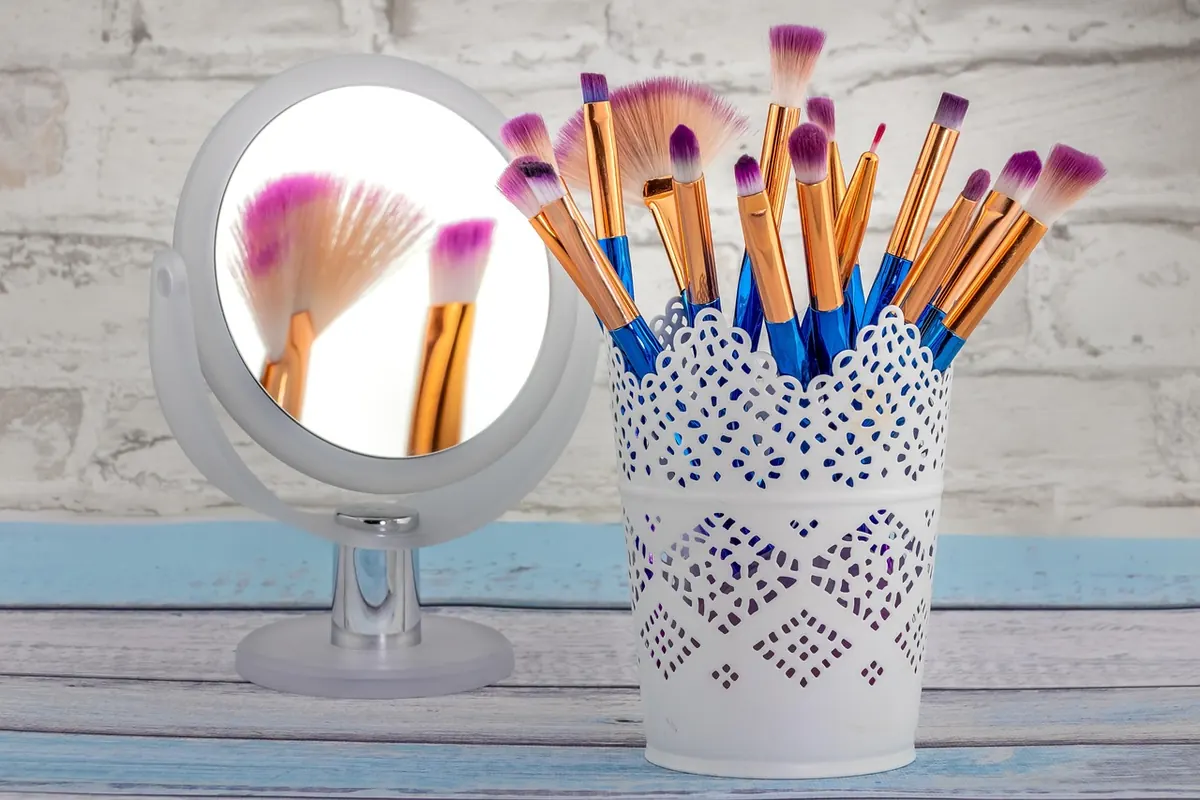
- Fan — spreads bristles into a wide, soft touch. Blending, foliage and clouds. Useful, but rarely essential.
- Mop or wash — big and soft, for laying in large areas of watercolour quickly.
Watercolours: soft hair, sharp points
Watercolour rewards a brush that holds water, releases it gradually and keeps a point. A large pointed round — somewhere around a size 10 or 12 — will handle most of a painting, from broad washes to fine detail, because you can load it fully or squeeze it near dry. Add a mop for large areas and a rigger for long lines, and you have a workable kit.
Sable is still lovely here, but a good synthetic round is a sensible starting point: it holds a slightly sharper point and costs far less. Note the difference in behaviour, though. Squirrel and sable release water slowly and evenly; synthetics tend to dump water faster at the start of a stroke. Practise judging the load on scrap paper before you commit to a wash.
Never use hog bristle on watercolour paper. It scrubs the surface, lifts the sizing and leaves a damaged patch that grabs any colour you put near it.
Acrylics: synthetic, almost always
Match acrylics with synthetics and you will have an easier time of it. They resist water, keep their shape and rinse clean, which matters because acrylic dries fast and once it sets in the ferrule the brush is usually finished.
For heavy body paint, a stiffer synthetic bright or flat gives control and crisp edges. Softer synthetics suit fluid paint and glazing, where you want smooth, untextured layers. Filberts blend wet edges without leaving square corners, rounds handle detail, and a rigger does lines. If you want rough, dragged texture over a dry underpainting, a cheap stiff hog brush does the job well — just accept that it may not survive many sessions.
Keeping acrylic brushes alive
Rinse every ten minutes or so, even while you are still painting, and work the soap into the bristles right down to the ferrule at the end of the session. Never stand a brush tip-down in a water jar; the weight bends the hairs and ruins the point within an afternoon.
Oils: stiff bristles, supple detail
Oil painting has the clearest traditional pairing: hog bristle for the body of the work, soft hair for finesse. Bristle flats, brights and filberts push buttery paint across canvas and leave visible texture that many painters want. Softer synthetic or sable brushes come out for glazing, smoothing and small detail, and long-handled versions let you work standing at an easel without leaning in.
You will need two brushes for the same paint if you blend a lot — one loaded, one clean and dry to soften edges. Clean oil brushes with solvent first, then soap and warm water, and keep them separate from your watercolour and acrylic brushes. Solvent residue left in a brush will contaminate a watercolour wash.
Care, storage and when to let a brush go
Reshape bristles with your fingers after washing and dry brushes flat or standing handle-down in a jar. Store them loosely — a jammed pot bends the tips. A brush that has splayed, lost its point or sheds hairs onto the painting is done; no amount of soap brings it back. Keep it for mixing, glueing or rough texture work and buy a replacement for anything that needs accuracy.
A practical starter set
You do not need dozens of brushes. For watercolour, buy one large pointed round, one small round and a mop. For acrylics, a one-inch flat, a size 8 round, a size 6 filbert and a rigger cover most subjects. For oils, three hog bristles — a flat, a bright and a filbert — plus one soft synthetic round for detail. Build from there as your work tells you what is missing, and buy the best you can afford in the sizes you use daily rather than a large set of brushes you will never touch.
Photo: analogicus / Pixabay